
Women’s Health – Living Well through Proper Nutrition
Women’s Health
WOMEN'S HEALTH BLOG March 2023
Living Well through Proper Nutrition
Written by Dedra G. King
Eating a well-balanced diet that includes fruits and vegetables can promote healthier living.
Proper nutrition starts with making informed choices that improve health. The benefits of a healthy diet not only include disease prevention and increased energy, but it also increases overall wellness. It is important for women to have access to healthy foods that are affordable. Being informed and knowing your individual needs can assist in developing better eating habits.
A Woman’s Nutritional Health
Women have unique nutritional needs during different stages of life. The average calorie needs for women are between 1600 – 2400 per day. This varies based on physical activity, age, height, and weight. A woman’s metabolism differs from a man’s; women tend to have less muscle and more body fat.
Young Adults. More calories are needed for growth and development during these years and usually decrease after age 25.
Pregnancy. Since the proper nutrients are essential to the development of a growing baby, pregnant women need folic acid, iron, protein, and calcium in their diet. Nursing mothers must also eat a healthy diet and increased water intake.
Menopause. The risk of chronic diseases such as heart disease, diabetes, stroke, and osteoporosis increases after menopause.
Women going through menopause should consult their healthcare provider for guidance on proper diet and prevention.
Benefits of Proper Nutrition
- Good source of essential vitamins and minerals
- Reduces and prevents chronic disease
- Helps to maintain a healthy weight
- Influences family members to eat healthier
- Energy source
Dietary Guidelines for Healthy Living (MyPlate.gov)
- Vegetables – 2 ½ cups eq/day
- Fruit – 2 cups eq/day
- Grains – 6 ounces eq/day
- Dairy – 3 cups eq/day
- Protein – 5 ½ ounces eq/day
- Oils – 27 grams/day
- Calorie limit (other) – 240 kcal/day
Small Steps to Living Well
- Gradually add a fruit or vegetable to each meal
- Create a grocery list with healthy options
- Drink water with lemon instead of sugary drinks
- Reach for a healthy snack such as nuts, fruit, or low-fat cheese
- Increase fiber, calcium, vitamin D, and potassium intake
- Limit foods with added sugar
- Eat a variety of food from all different food groups (fruit, vegetables, grains, dairy, and protein)
- Reduce sodium intake
- Eat foods rich in omega-3 fatty acids and low in saturated fat
Living a healthy lifestyle begins with small steps. Staying informed about your health is a great way to make gradual changes and make healthier food choices. As you implement these recommendations, you are on your way to living a well-balanced life.
Websites for additional resources
- Dietary Guidelines .gov
https://www.dietaryguidelines.gov/sites/default/files/2021-03/Dietary_Guidelines_for_Americans-2020-2025.pdf
- Women’s Health.gov
https://www.womenshealth.gov/healthy-eating/healthy-eating-and-women
About Dedra King, MPH
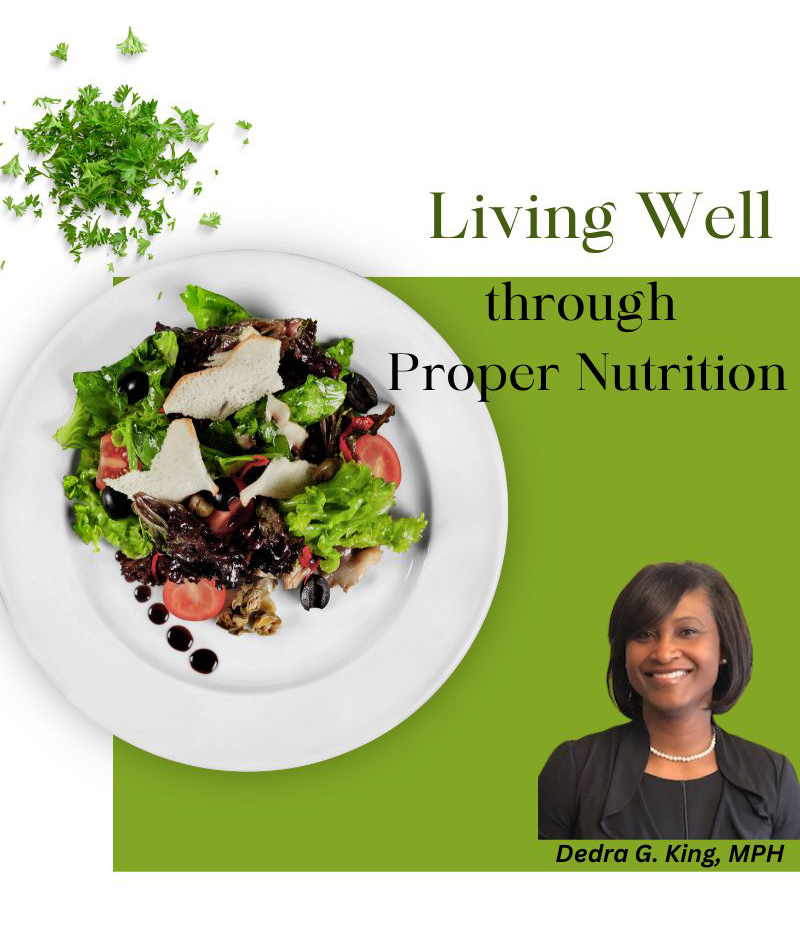
Dedra King has worked in the healthcare industry for over 30 years. She earned her bachelor’s degree from Nicholls State University and a Master of Public Health from Tulane University. Dedra is a Review and Education Manager for a large physician medical group. She enjoys working in the community to promote healthier lifestyles and is passionate about patient advocacy.


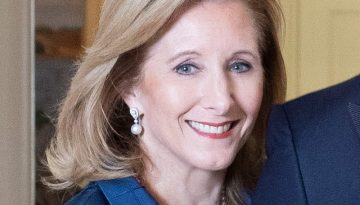
























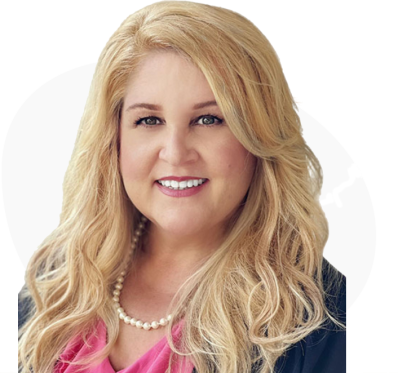



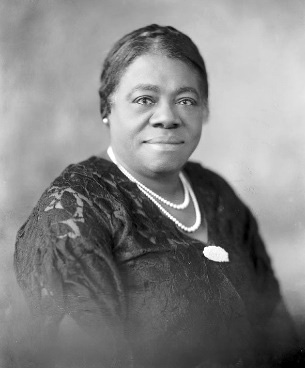
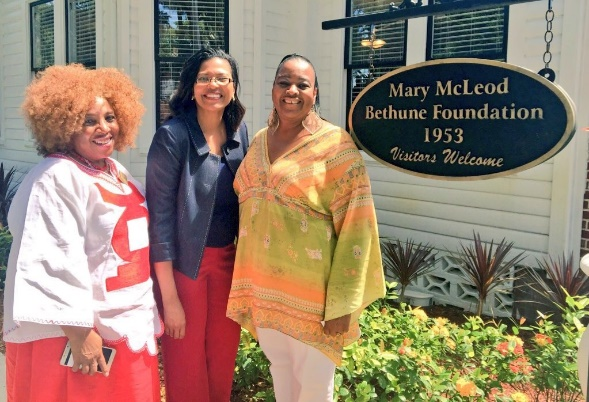
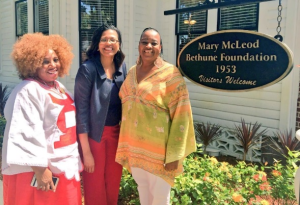
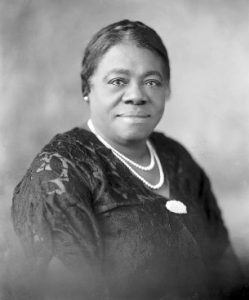 Mary McLeod Bethune was a woman who understood the power of education. She was first in her family to be born free, in the late 1800s, and to receive a formal education. A skilled activist and presidential adviser, her calling was to pay it forward, so with meager funds – $1.50 – but unlimited faith, she opened a school for African American girls in 1904. From these beginnings, her school went on to become Bethune-Cookman College, a Historically Black College (HBCU), and she served as the college’s president. Visiting her home on her college campus, I touched the desk where she worked and stood in the parlor where she hosted leaders as she advocated for education, healthcare and opportunities for women. I spoke to her granddaughters (pictured here) about her relentless commitment to education, equity and opportunity. A women of countless firsts, she is a trailblazer who understood the connection between learning and social mobility and so much more, and used this understanding to improve the lives of so many.
 As we seek to reach our educational goals, one big focus for us is expanding access to dual enrollment. Today almost 29,000 Louisiana students start college in high school and over the past few years we’ve been proud to see an increase of 1,500 African American students participating.
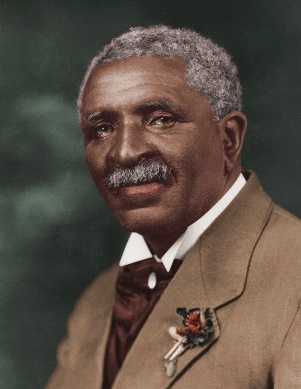
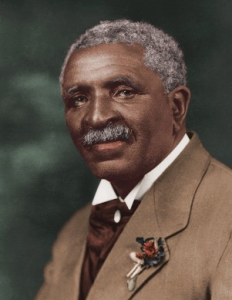 To bring this opportunity to our students, particularly the equipment needed to support career and technical courses, we deployed mobile labs, which now visit high schools across the state. The labs are praised for their utility and effectiveness in getting college-level experiences to high school students. It’s a concept I saw first-hand at another HBCU. This was not a new shiny mobile lab parked out front at Tuskegee University, but a historical one in the museum honoring George Washington Carver. I knew and admired him as an agricultural powerhouse, scientist and inventor, “The Father of the Peanut Industry.” I had heard of his outreach efforts to farmers in communities near and far, but I was delighted to see the
 Whether our students come to a college or university campus or if we bring the learning to them, progress hinges on access to strong, high-quality education that prepares citizens for viable careers and prosperity. I am proud to stand on the shoulders of these African American giants, to learn from them and to answer the call to extend their legacy as fierce advocates for education, equity and talent development. That’s how Louisiana will prosper.