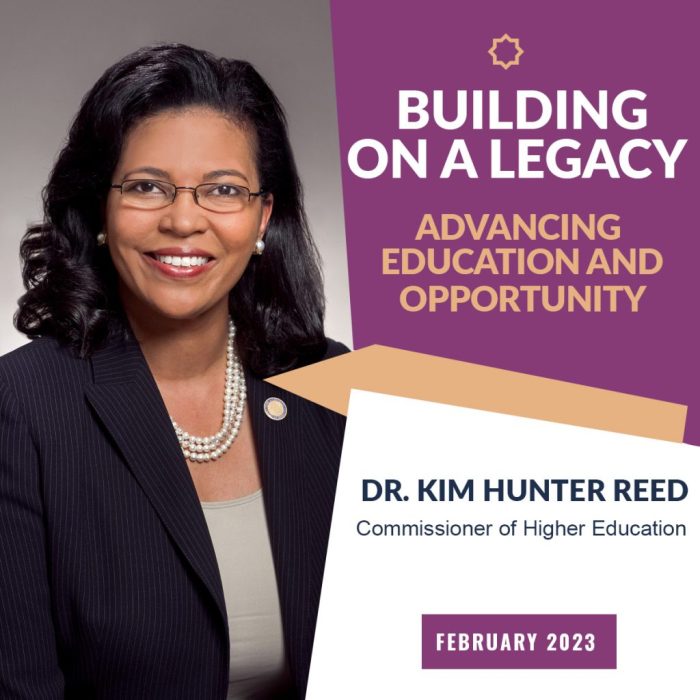
Building on a Legacy –
Advancing Education and Opportunity
By Dr. Kim Hunter Reed
Commissioner of Higher Education
As an educator committed to talent development in Louisiana and across this country, my Black History Month thoughts honor education trailblazers and reflect my commitment to build upon the legacy of their work. Education is transformational for individuals and families. That reality propels us to expand educational opportunities for all of our citizens. It’s why we set a state goal of having 60% of our population holding a higher education credential of value by 2030. Today we sit at 47.8%, but African Americans lag the statewide degree attainment rate by more than 10 percentage points. This gap highlights the critical work we must do to ensure that access and opportunity exist for all citizens, regardless of race or place. To reach our goal we must more than double the number of credentials earned annually in our state, erase equity gaps and support student success. The numbers hold us accountable by measuring our progress, but it’s the people who are our focus – people who need a strong education-to-employment pipeline to move from poverty to prosperity.
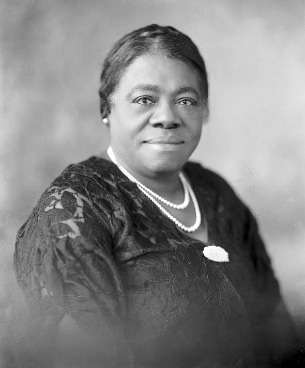
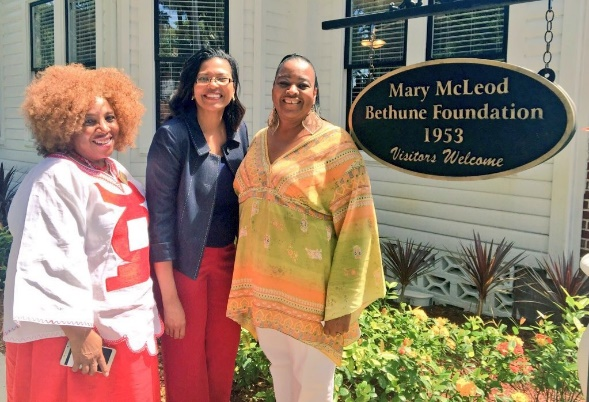
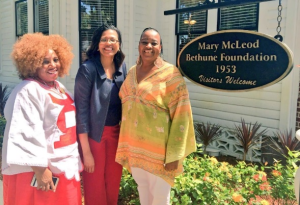
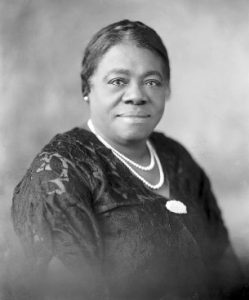 Mary McLeod Bethune was a woman who understood the power of education. She was first in her family to be born free, in the late 1800s, and to receive a formal education. A skilled activist and presidential adviser, her calling was to pay it forward, so with meager funds – $1.50 – but unlimited faith, she opened a school for African American girls in 1904. From these beginnings, her school went on to become Bethune-Cookman College, a Historically Black College (HBCU), and she served as the college’s president. Visiting her home on her college campus, I touched the desk where she worked and stood in the parlor where she hosted leaders as she advocated for education, healthcare and opportunities for women. I spoke to her granddaughters (pictured here) about her relentless commitment to education, equity and opportunity. A women of countless firsts, she is a trailblazer who understood the connection between learning and social mobility and so much more, and used this understanding to improve the lives of so many.
 As we seek to reach our educational goals, one big focus for us is expanding access to dual enrollment. Today almost 29,000 Louisiana students start college in high school and over the past few years we’ve been proud to see an increase of 1,500 African American students participating.
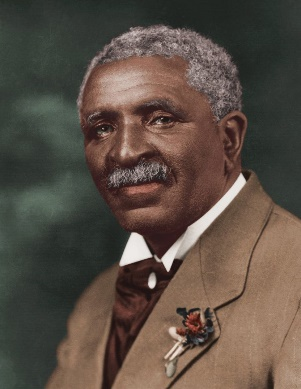
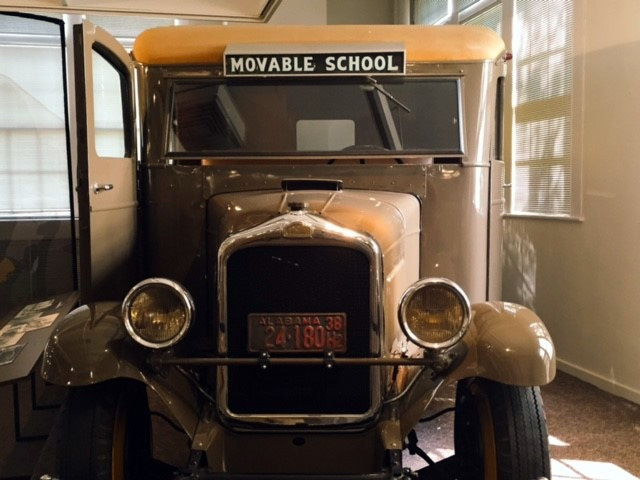
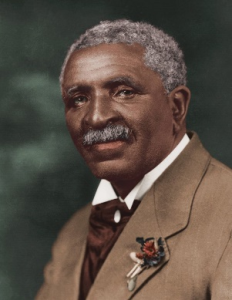 To bring this opportunity to our students, particularly the equipment needed to support career and technical courses, we deployed mobile labs, which now visit high schools across the state. The labs are praised for their utility and effectiveness in getting college-level experiences to high school students. It’s a concept I saw first-hand at another HBCU. This was not a new shiny mobile lab parked out front at Tuskegee University, but a historical one in the museum honoring George Washington Carver. I knew and admired him as an agricultural powerhouse, scientist and inventor, “The Father of the Peanut Industry.” I had heard of his outreach efforts to farmers in communities near and far, but I was delighted to see the
 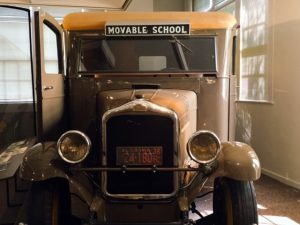 Whether our students come to a college or university campus or if we bring the learning to them, progress hinges on access to strong, high-quality education that prepares citizens for viable careers and prosperity. I am proud to stand on the shoulders of these African American giants, to learn from them and to answer the call to extend their legacy as fierce advocates for education, equity and talent development. That’s how Louisiana will prosper.