

BLOG OF FIRST LADY OF LOUISIANA DONNA EDWARDS


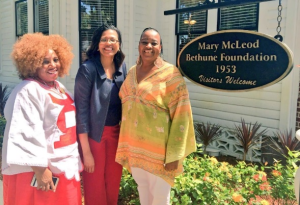
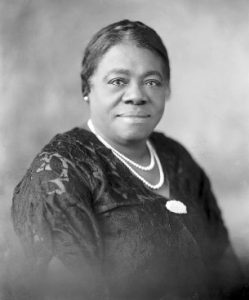 Mary McLeod Bethune was a woman who understood the power of education. She was first in her family to be born free, in the late 1800s, and to receive a formal education. A skilled activist and presidential adviser, her calling was to pay it forward, so with meager funds – $1.50 – but unlimited faith, she opened a school for African American girls in 1904. From these beginnings, her school went on to become Bethune-Cookman College, a Historically Black College (HBCU), and she served as the college’s president. Visiting her home on her college campus, I touched the desk where she worked and stood in the parlor where she hosted leaders as she advocated for education, healthcare and opportunities for women. I spoke to her granddaughters (pictured here) about her relentless commitment to education, equity and opportunity. A women of countless firsts, she is a trailblazer who understood the connection between learning and social mobility and so much more, and used this understanding to improve the lives of so many.
 As we seek to reach our educational goals, one big focus for us is expanding access to dual enrollment. Today almost 29,000 Louisiana students start college in high school and over the past few years we’ve been proud to see an increase of 1,500 African American students participating.
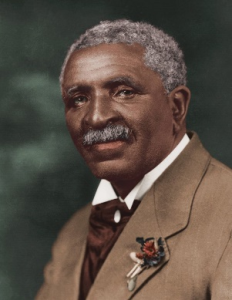 To bring this opportunity to our students, particularly the equipment needed to support career and technical courses, we deployed mobile labs, which now visit high schools across the state. The labs are praised for their utility and effectiveness in getting college-level experiences to high school students. It’s a concept I saw first-hand at another HBCU. This was not a new shiny mobile lab parked out front at Tuskegee University, but a historical one in the museum honoring George Washington Carver. I knew and admired him as an agricultural powerhouse, scientist and inventor, “The Father of the Peanut Industry.” I had heard of his outreach efforts to farmers in communities near and far, but I was delighted to see the
  Whether our students come to a college or university campus or if we bring the learning to them, progress hinges on access to strong, high-quality education that prepares citizens for viable careers and prosperity. I am proud to stand on the shoulders of these African American giants, to learn from them and to answer the call to extend their legacy as fierce advocates for education, equity and talent development. That’s how Louisiana will prosper.
LOUISIANA FIRST FOUNDATION
Heart Health Month

State Launches Hotline
for Reporting Juvenile Sex Trafficking

Greater New Orleans
Human Trafficking Task Force
GOVERNOR’S MANSION
The Louisiana Governor’s Mansion Preservation Foundation is excited to introduce the 2023 Christmas ornament celebrating 60 years of the Louisiana Governor’s Mansion. The sunflower has historically been an integral symbol of Louisiana due in large part to Governor Jimmie Davis. When he recorded “You Are My Sunshine,” the sunflower quickly became associated with him and the song. In fact, this legacy is reflected in the foyer of the Louisiana Governor’s Mansion, which showcases a mural hand painted by world-renowned artist, Auseklis Ozols. In the northeast corner of this mural, two symbols honor Governor Jimmie Davis – a guitar and a sunflower to represent this song.

TEEN DATING VIOLENCE
by Ashlé N. Young
Did you know that February is Teen Dating Violence Awareness Month? Since 2004, Congress has designated the first week of February as National Teen Dating Violence Awareness Week. However, in 2010, Congress declared Teen Dating Violence Awareness Month each February. The focus calls on communities “to empower teens to develop healthier relationships.”
What is Dating Violence?
Dating violence is physical, sexual, emotional, and/or verbal abuse of one partner by the other partner in a current or former dating relationship. Abusive behavior is any act carried out by one partner to hurt or control the other. Dating violence happens in male/female relationships as well as LGBTQIA+ relationships. Statistics show that approximately 1 in 3 U.S. teens will experience physical, sexual, or emotional abuse from a dating partner before they become adults.
Types of dating violence?
- Digital Abuse: Using technologies such as texting and social media to bully, harass, stalk, or intimidate a partner.
- Telling you who you can or cannot follow or be friends with on social media
- Texting you often to make you feel like you can’t be away from your phone
- Sending threatening messages or posting negative comments on social sites
- Pressuring you to share passwords
- Emotional Abuse: The non-physical behaviors such as threats, insults, and constant check-ins.
- Telling you what to wear or do
- Embarrassing you in front of others intentionally
- Preventing you from seeing or communicating with family and friends
- Blaming abusive or unhealthy behavior on you
- Physical Abuse: The intentional, unwanted contact causing injury.
- Hitting, biting, strangling, choking, or kicking
- Threatening to use or using a weapon on you
- Forcing you to have sex or perform sexual acts
- Sexual Abuse: The pressure or coercion to do something sexual in nature that you would prefer not to do.
- Forcing someone to have sex or perform sexual acts
- Preventing someone from using protection that could potentially lead to sexually transmitted infections
- Unwanted kissing, touching, rough, or violent sexual activity
- Unwanted sexual advances
How to have a conversation with your youth about dating violence?
As a parent, we tend to avoid difficult conversations with our kids, but we can start discussing healthy relationships before our children get to the dating age. As a former domestic violence advocate, I introduced my son to his hands and safe touch at one and a half years of age. I would constantly shape our morning routine with Hands Are Not for Hitting by Dr. Martine Agassi and the book I Said No! A Kid-to-kid Guide to Keeping Private Parts Private by Zack and Kimberly King. Now that he is five years old, I still quiz him and ask questions during random conversations. I also plan to practice this with my daughter, who will soon turn one. My goal is to constantly provide a safe space where they feel heard without fear.
In day-to-day tasks, you can bring up what healthy vs. unhealthy looks like and try to model it. With this routine, they will constantly feel you are there, even when they fear the repercussions. So, you can ask your child questions about healthy relationships and awareness of dating violence, such as:
- What is a healthy relationship? What do you want from the relationship if you were in one?
- Are your friends in relationships? If so, what does that relationship look like from the outside? Is it healthy?
- What would you do if you experienced or witnessed dating violence? Do you feel that you can be open with me without judgment?
If you feel your teen may be experiencing dating violence, encourage them and make them aware of your support and willingness to help them through it. It’s essential to be clear, not blame them, and be there to help them get additional support. Also, get advice and resources from a domestic violence agency.
How is Louisiana helping with this?
Louisiana has been working to prevent domestic violence by working with students to provide instruction to youth from grades seven through twelve. Louisiana Teen Dating Violence Law LA R.S. 17:81 requires all Louisiana school districts to:
- Provide instruction to all school employees having contact with students in such grades relative to the definition of dating violence, dating violence warning signs, and how to address suspected or reported dating violence involving students appropriately.
- Include the definition of dating violence in the student code of conduct.
- Collect data about the number of incidents of dating violence reported to school employees and the actions taken by school employees to assist victims of dating violence.
Although most districts are still navigating implementation, local domestic violence programs offer support to the community to help with awareness and prevention. If you need additional support, please reach out to your local domestic violence organization for resources to guide the conversation on what to look for and guides on establishing boundaries.
Where to go for help and resources:
- Centers for Disease Control and Prevention (CDC): cdc.gov/violenceprevention/intimatepartnerviolence/teendatingviolence/fastfact.html
- Louisiana Coalition Against Domestic Violence: https://lcadv.org/programs-resources/
- Love Is Respect: https://www.loveisrespect.org/get-involved/tdvam/
- National Center on Domestic and Sexual Violence: http://www.ncdsv.org
- National Center on Domestic and Sexual Violence Teen Power and Control Wheel:http://www.ncdsv.org/images/Teen%20P&C%20wheel%20NO%20SHADING.pdf
People of
Louisiana




RECIPE
from the Louisiana Governor’s Mansion
On First Lady Donna Edwards’ first Valentine’s Day married to her sweetheart, Governor John Bel Edwards, she happened upon a heart-shaped waffle maker she just HAD to have. Over 30 years later, their trusty waffle maker still churns out her Family’s Valentine’s dinner!
Try it out and see what you think! Click to download.


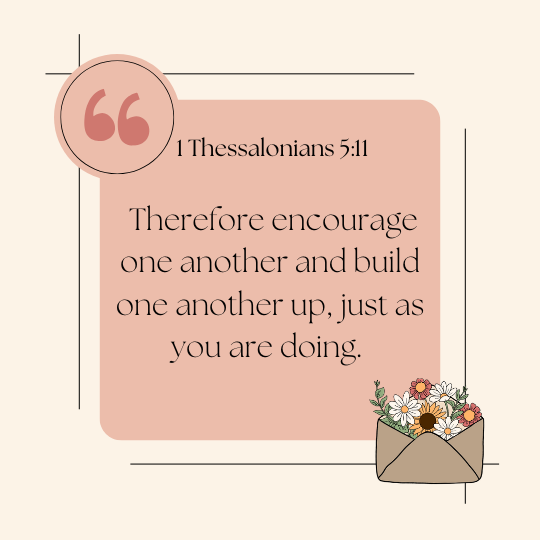
Memorable Verse
Feburary 2023

THE FIRST DOGS
February 2023
Happy Mardi Gras from the first dogs!











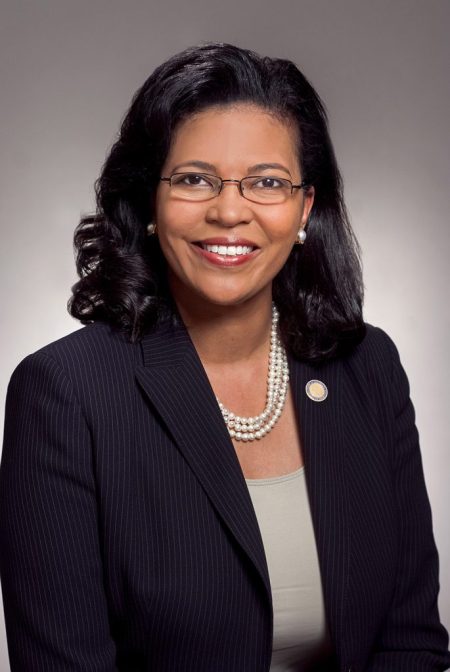
A native of New Orleans, Louisiana, Delery has lived there all of her life except during undergraduate school and a brief stint in Seattle, WA. She is a mother to four boys, ranging in ages from 21 to 16, and they are the heart and soul of her life.
Delery earned her undergraduate degree from the University of Southern Mississippi and Master’s Degree from Louisiana State University. She completed a fellowship at Loyola University, New Orleans Institute of Politics, and currently attends Harvard Kennedy School of Public Policy. Her volunteer work has mostly evolved from issues that have affected her personally. Actively engaged in disability rights advocacy, Delery has testified numerous times in the Louisiana Legislature regarding issues that affect persons with developmental disabilities. She served as the chair of the Louisiana Developmental Disabilities Council, worked for seven years directing regional advocacy efforts and is a graduate of Louisiana’s Partners In Policymaking.